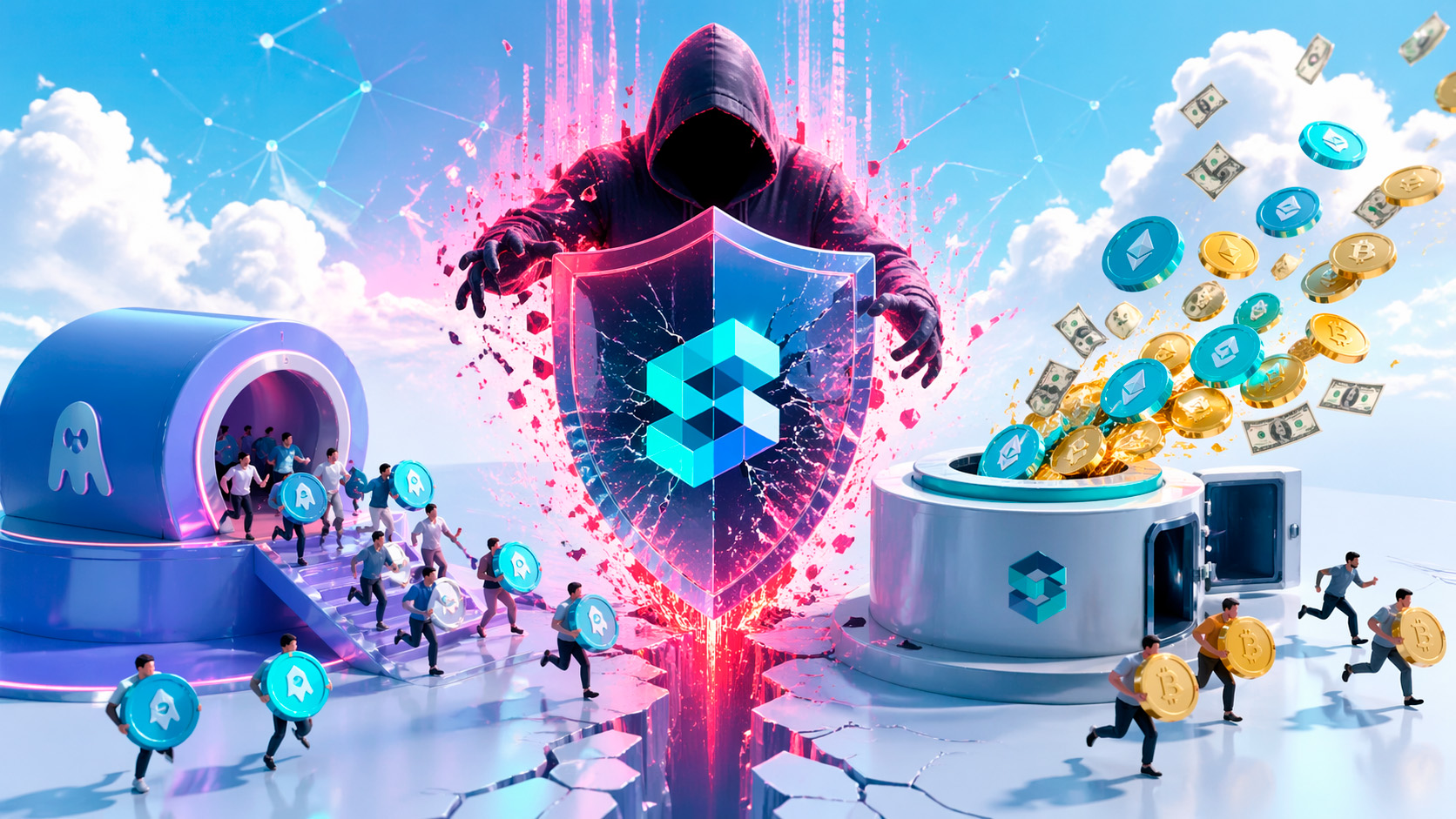
The DeFi hack 2026 caused $292 million in losses, triggered a crisis in Kelp DAO, and led to massive withdrawals from Aave, raising new concerns about DeFi security
The DeFi hack 2026 has triggered one of the most severe crises in the decentralized finance ecosystem in recent years. This DeFi hack 2026 originated from a $292 million exploit targeting the Kelp DAO protocol, causing massive capital withdrawals and an immediate loss of confidence across the market.
The DeFi hack 2026 directly impacted 116,500 units of the rsETH token, representing nearly 18% of its total supply. The scale of the incident shows how interconnected DeFi protocols can rapidly amplify the effects of a single vulnerability, making the DeFi hack 2026 a critical case study for the entire sector.
A cross-chain flaw behind the DeFi hack 2026
Unlike many previous incidents, the DeFi hack 2026 was not caused by a traditional smart contract vulnerability or a cryptographic failure. Instead, the attacker exploited the cross-chain verification layer, manipulating the system into accepting a fraudulent transaction as legitimate.
This flaw allowed the Kelp DAO bridge to release tokens to an address controlled by the attacker. The DeFi hack 2026 was therefore the result of a misconfiguration in the cross-chain validation system, a technical detail that proved to be critically important.
The DeFi hack 2026 has reignited the debate around modular security in DeFi. The flexibility of configuration, without mandatory standards, creates environments where security depends on individual decisions, sometimes even a single validator.
Early investigations point to a highly sophisticated actor, with possible links to the Lazarus Group, known for targeting blockchain infrastructures. This adds geopolitical significance to the DeFi hack 2026.
Domino effect of the DeFi hack 2026 across the market
The consequences of the DeFi hack 2026 spread rapidly beyond Kelp DAO. The interdependence of DeFi protocols created a domino effect across multiple platforms.
Lending protocols such as Aave experienced billions of dollars in capital outflows within hours. The DeFi hack 2026 caused a significant drop in total value locked, while the token lost more than 10% in the short term.
Other platforms, including SparkLend, suspended markets linked to rsETH to limit exposure. The DeFi hack 2026 clearly demonstrates how tightly coupled protocols can magnify systemic risk.
Pressure intensified due to uncertainty about the token’s backing across layer-2 networks, where it was deployed on more than 20 chains. The DeFi hack 2026 fueled fears of a broader collapse, following a familiar crisis pattern: first massive withdrawals, then market stress, and finally a widespread loss of trust.
A critical year for security and the DeFi hack 2026
The DeFi hack 2026 is not an isolated event. It occurs in a broader context where several protocols have been compromised in recent weeks, including a $285 million exploit targeting Drift.
These incidents have pushed total losses in the sector during 2026 to extremely high levels. The DeFi hack 2026 therefore marks a turning point in how risk is perceived in decentralized finance.
Some analyses suggest the involvement of highly organized groups, possibly with state affiliations. The DeFi hack 2026 thus introduces a geopolitical dimension to crypto security.
The Kelp DAO case intensifies the debate over the resilience of the DeFi model, especially in systems where a single asset operates across multiple protocols simultaneously.
User risks highlighted by the DeFi hack 2026
Beyond the technical impact, the DeFi hack 2026 highlights direct risks for users. The crypto ecosystem contains well-known warning signs that investors should not ignore.
These include requests for upfront payments in cryptocurrency, which legitimate entities never require. The DeFi hack 2026 also brings attention to promises of guaranteed returns, which are unrealistic in a highly volatile market.
Another common tactic involves exploiting personal relationships, often through social media or dating platforms. The DeFi hack 2026 also underscores the risk of impersonation, where scammers mimic companies or institutions to trigger irreversible transfers.
Experts recommend verifying all projects carefully, conducting independent research, and avoiding any proposal that creates a sense of urgency.
The real impact of the DeFi hack 2026
The DeFi hack 2026 proves that a single vulnerability can quickly escalate into a systemic crisis in a highly interconnected environment. This DeFi hack 2026 serves as a key example of the risks inherent in decentralized finance.
Beyond the technical failure, the DeFi hack 2026 highlights the urgent need for stronger security standards in a rapidly evolving sector. The future of DeFi will depend on its ability to prevent events like the DeFi hack 2026 from undermining user trust.
The market is now watching closely to determine whether the ecosystem can continue to grow without compromising security and credibility in the long term.
Risk warnings
The views and opinions expressed are the views of Crypto Currency 10 and are subject to change based on market and other conditions. The information provided does not constitute investment advice and it should not be relied on as such. All material(s) have been obtained from sources believed to be reliable, but its accuracy is not guaranteed. There is no representation or warranty as to the current accuracy of, nor liability for, decisions based on such information.
Changes in rates of exchange may have an adverse effect on the value, price or income of an investment.
Past performance is no guarantee of future results and the value of such investments and their strategies may fall as well as rise.